
Sargassum removal 365 days a year
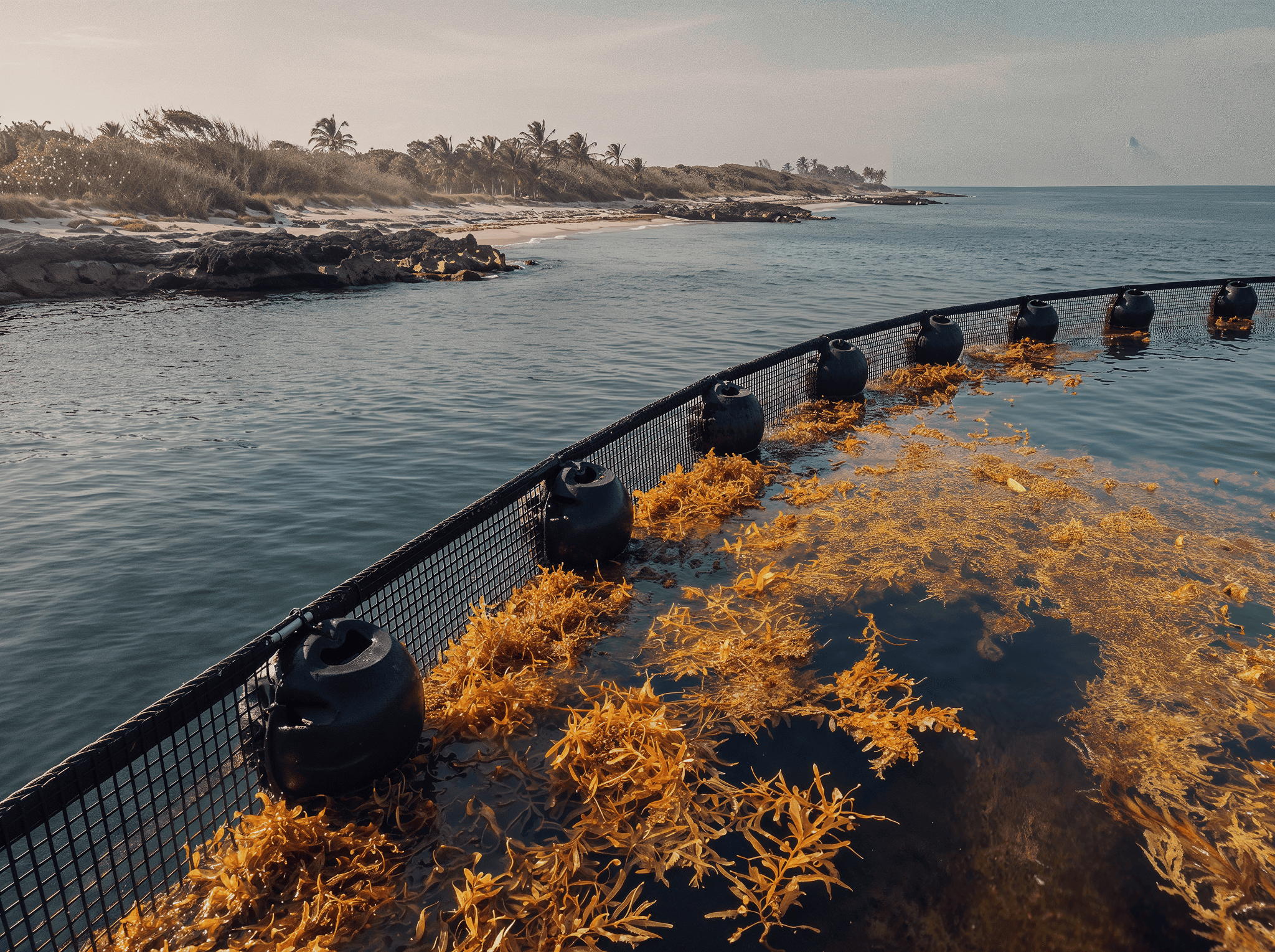
Our service stops Sargassum offshore, before it ever reaches your sand. No smell, no rotting, no landfill, and no last-minute clean-ups before guests arrive.
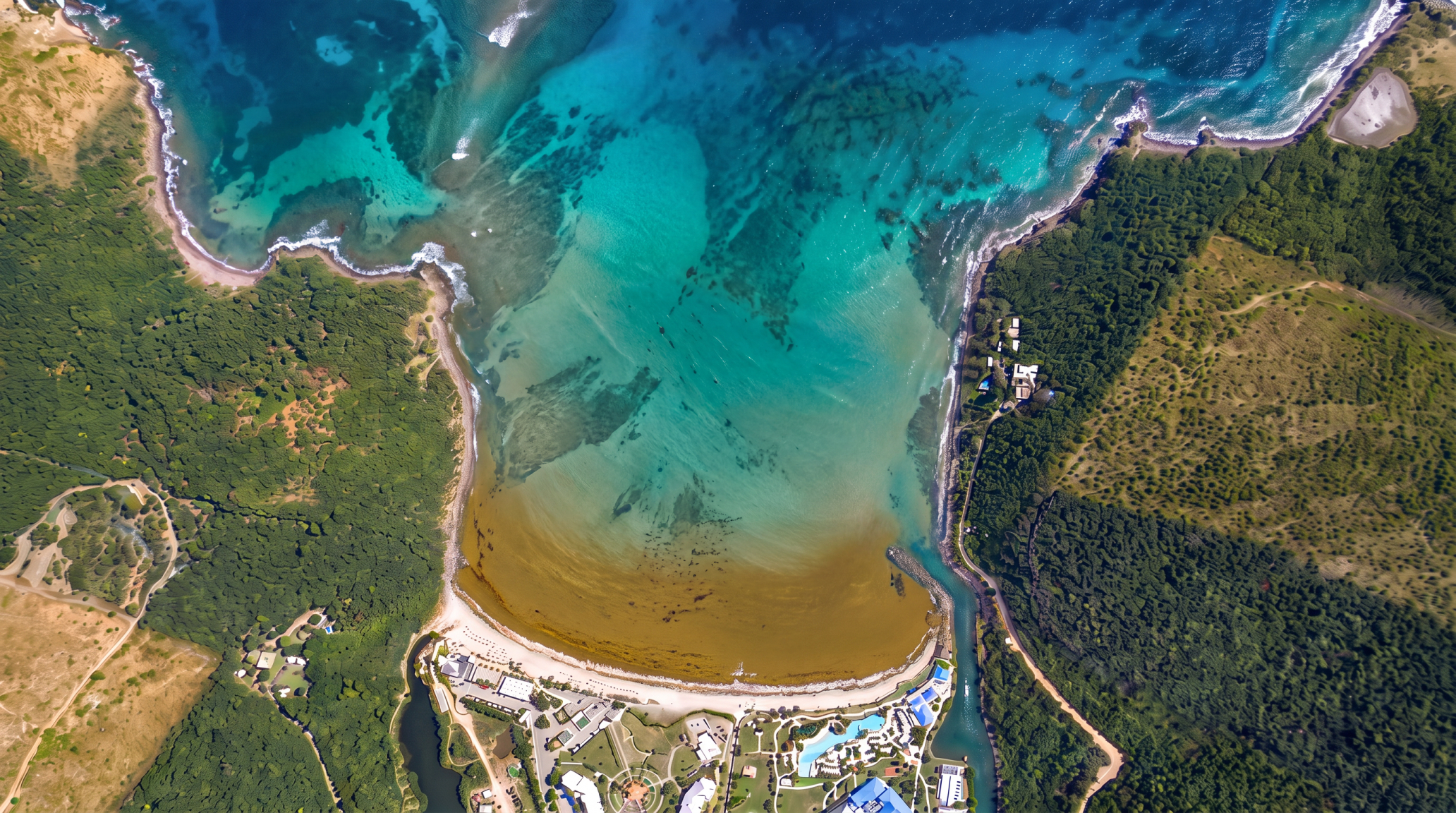
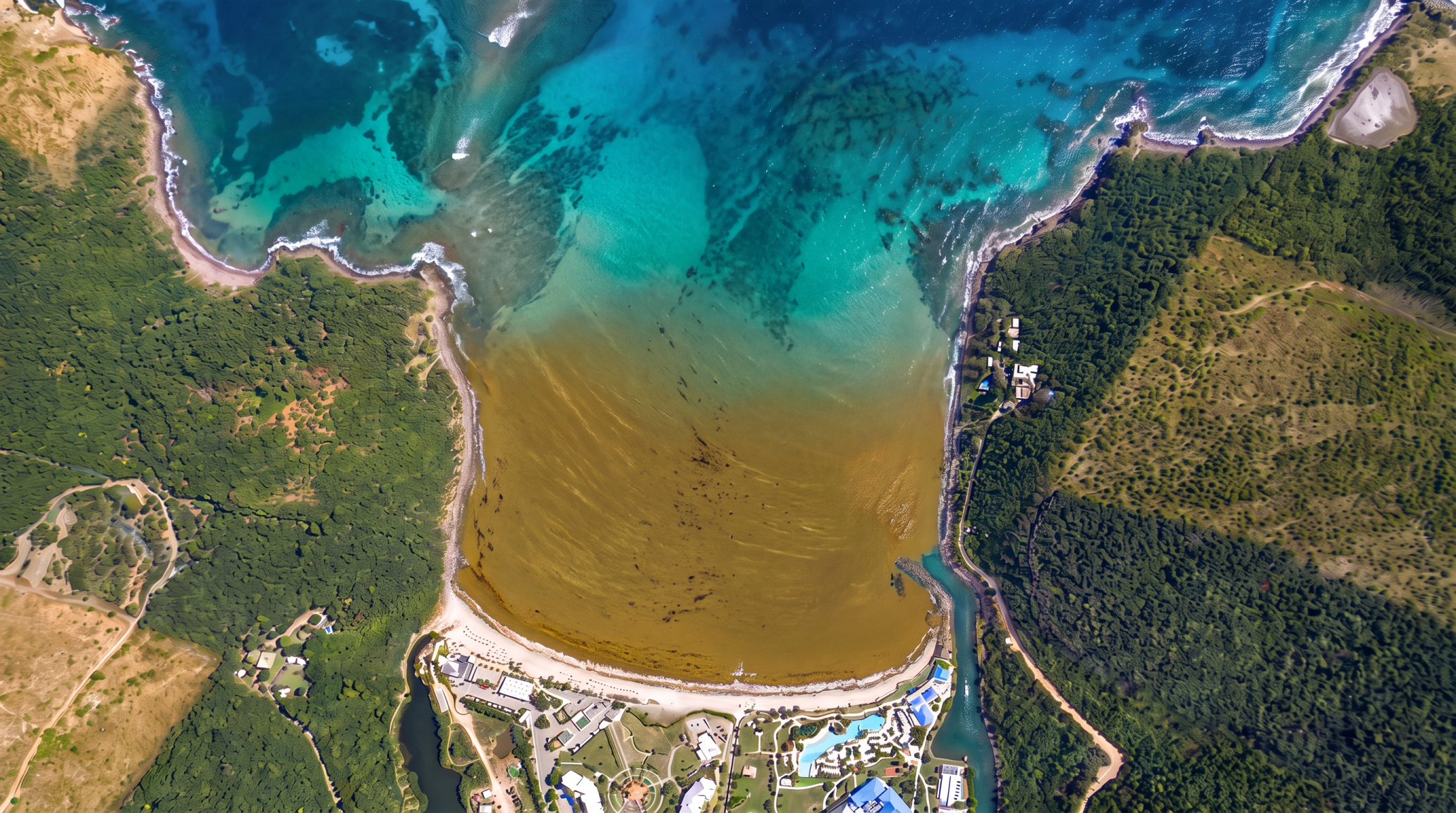
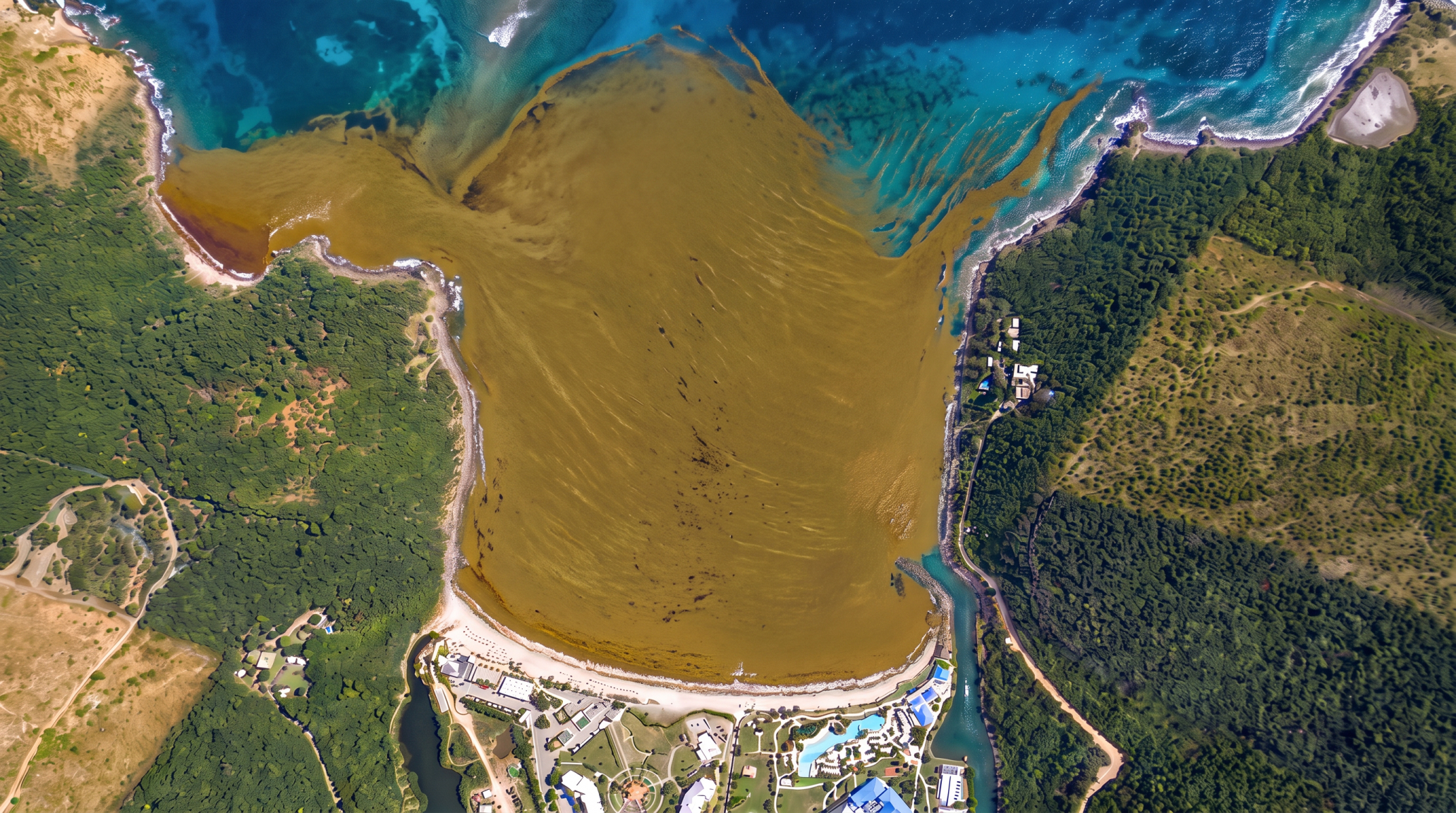
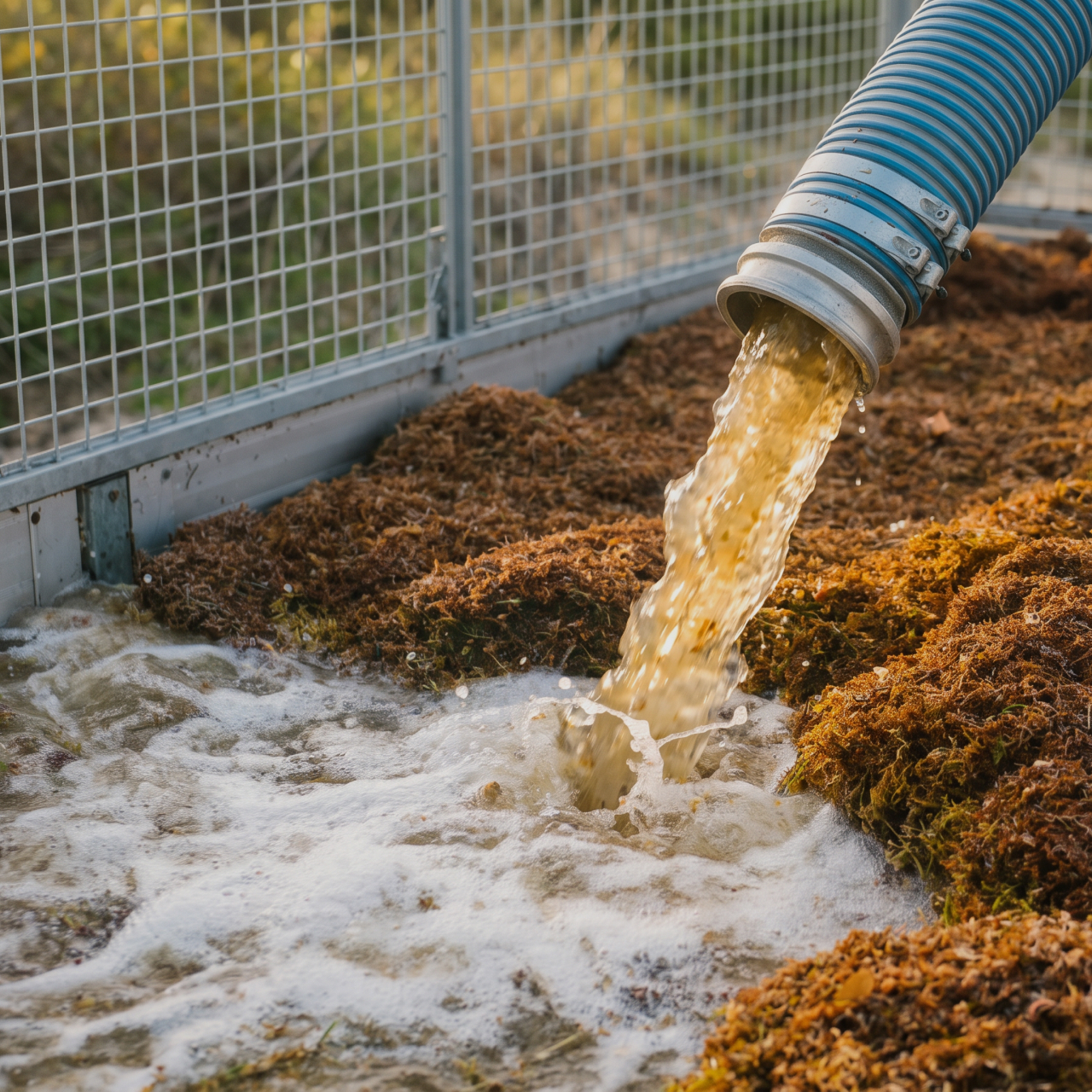
Each unit runs two marine pumps and removes up to 16 tonnes an hour. Pumping time only.
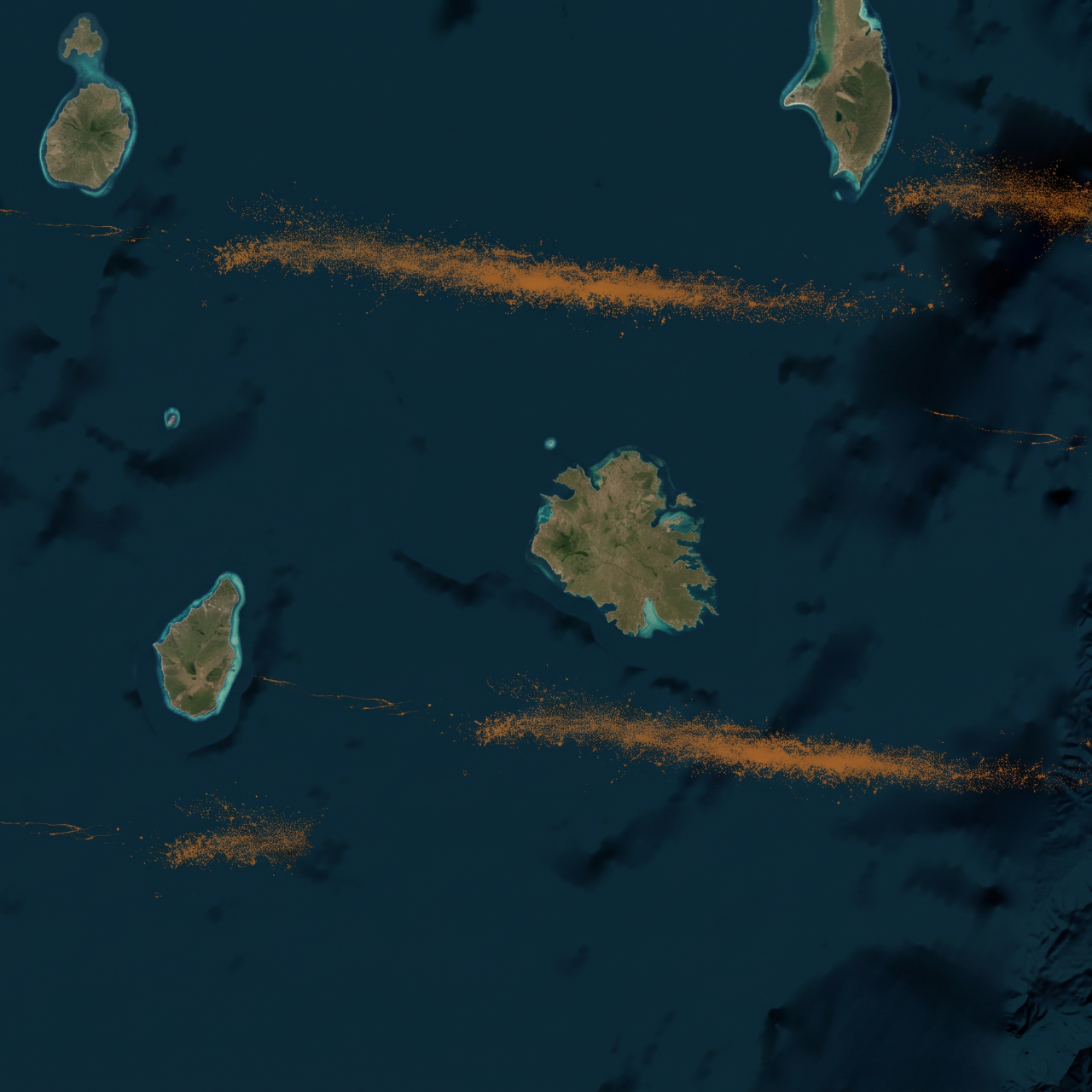
Our early-warning system draws on satellite tracking developed with the French space agency, CNES. It combines imagery from several Earth-observation satellites to spot Sargassum blooms far out at sea.
Spotted daily
01
Satellites map Sargassum every day, at 300 m resolution in open ocean and down to 20 m near the coast.
Forecast ahead
02
Drift models combine detections with currents and wind to predict where blooms are heading, up to five days out.
Crews mobilised
03
Forecasts tell our teams when to dispatch, so we intercept the Sargassum as it reaches our protection boom.

How our approach compares
Collecting Sargassum offshore helps prevent the build-up that beach clean-ups deal with after it arrives.
Key points of comparison
Collection point
Timing
How often
Equipment
Sand disturbance
Smell
After collection
Traditional beach clean-up
Collection point
On the beach
Timing
After Sargassum washes ashore
How often
Repeated clean-ups after each arrival
Equipment
Manual crews or beach machinery
Sand disturbance
Machinery can remove sand
Smell
Rots on the sand, releasing hydrogen sulphide
After collection
Transported for disposal or processing
Collection point
Offshore, before it reaches the beach
Timing
While Sargassum is still floating and fresh
How often
Every day, 365 days a year
Equipment
Offshore booms and marine pumps
Sand disturbance
No beach scraping
Smell
Removed before it rots
After collection
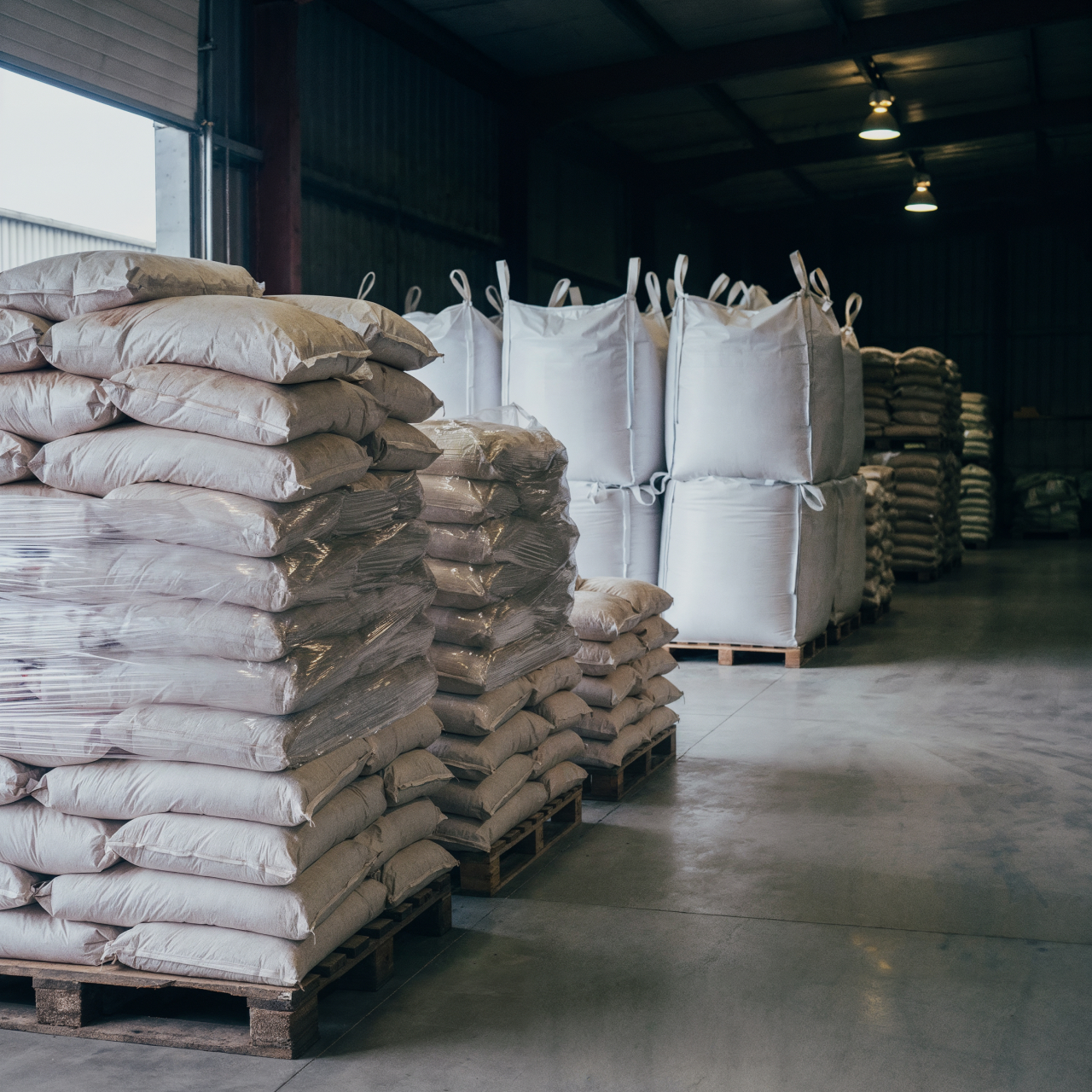
Processed for use in product development

Let’s work together
Interested in coastal protection, our products or working together?
Tell us what you have in mind.
